Complete Historic Home Renovation Guide & Cost Breakdown
Last Updated: January 17, 2026
Article Navigation
- Key Takeaways
- Portsmouth Historic Home Overview
- Common Challenges in Older Portsmouth Bathrooms
- Complete Bathroom Remodeling Process
- Modern Fixture Selection Guide
- Preserving Heritage Through Fixture Restoration
- Design Elements for Character
- Moisture Control and Ventilation
- Bathroom Flooring Options
- Lighting Solutions for Function and Ambiance
- Budget Planning and Cost Considerations
- Find Local Bathroom Remodeling Contractors
- Frequently Asked Questions
- Conclusion
Key Takeaways
- Historic home challenges: Vintage Portsmouth homes like Sears kit houses require updated electrical, plumbing, and structural work during bathroom renovations
- Blending old and new: Professional restoration of vintage fixtures like medicine cabinets preserves family heritage while incorporating modern functionality
- Complete system updates: Successful remodels address electrical wiring, plumbing, ventilation, and moisture control—not just cosmetic improvements
- Design considerations: Materials like rustic barn siding, luxury vinyl flooring, and walk-in showers balance historic character with contemporary convenience
- Ohio Valley climate: Proper ventilation and moisture-resistant materials are essential in the humid Ohio River region to prevent mold and structural damage
- Investment value: Complete bathroom renovations in Portsmouth typically range from $8,000-$25,000 and significantly improve home comfort, safety, and resale value
FTC Disclosure: This article contains affiliate links to products we recommend. If you purchase through these links, we may earn a commission at no additional cost to you. We only recommend products our network partners have successfully used in bathroom remodeling projects across the Ohio Valley region.
Introduction
When homeowners in Portsmouth, Ohio undertake bathroom remodeling projects, they often face unique challenges that stem from the area’s rich architectural heritage.
Portsmouth, a charming Ohio River community near Wheelersburg and Lucasville, is home to numerous historic properties including vintage Sears kit homes from the early-to-mid 20th century.
These beloved homes carry deep sentimental value, often passed down through generations, but their aging infrastructure presents real obstacles during renovation.
This case study examines a complete bathroom remodel in a Portsmouth Sears home, showcasing how professional remodeling teams balance modern functionality with heritage preservation.
The project demonstrates key principles that apply to bathroom renovations throughout Southern Ohio and Northern Kentucky: addressing hidden structural issues, updating critical systems to current safety standards, selecting durable materials suited to the region’s humid climate, and thoughtfully incorporating vintage elements that maintain family connections to the past.
Whether you’re planning a complete gut renovation or a more modest bathroom update in the Portsmouth area, understanding this comprehensive approach will help you make informed decisions about your own project.
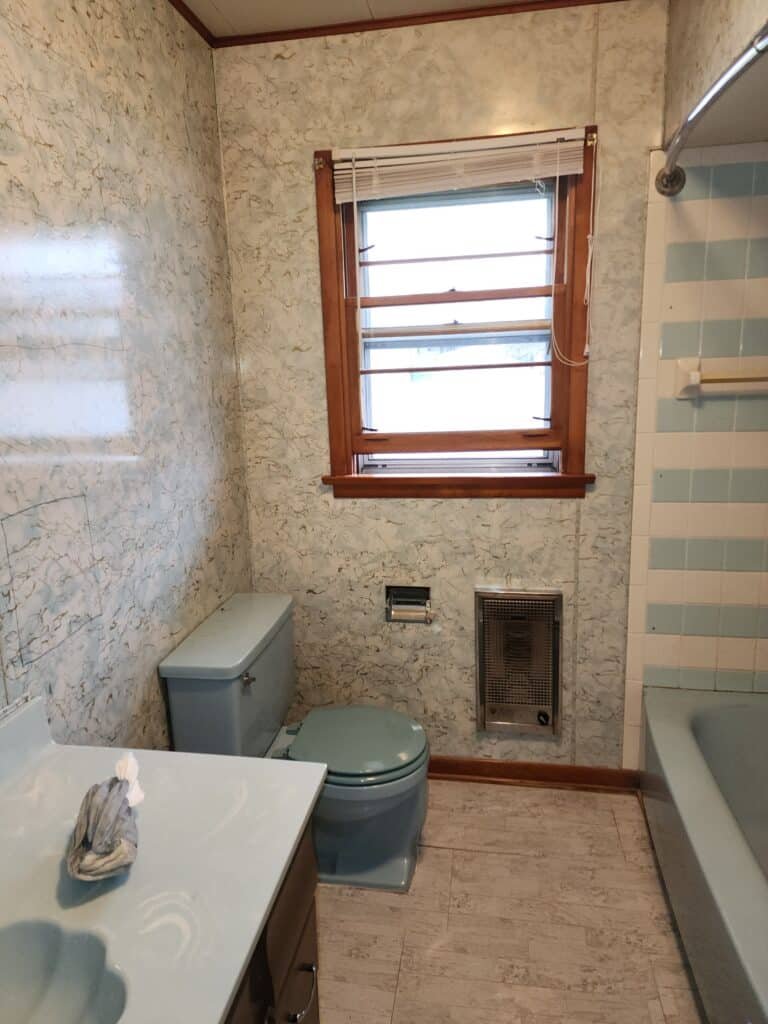
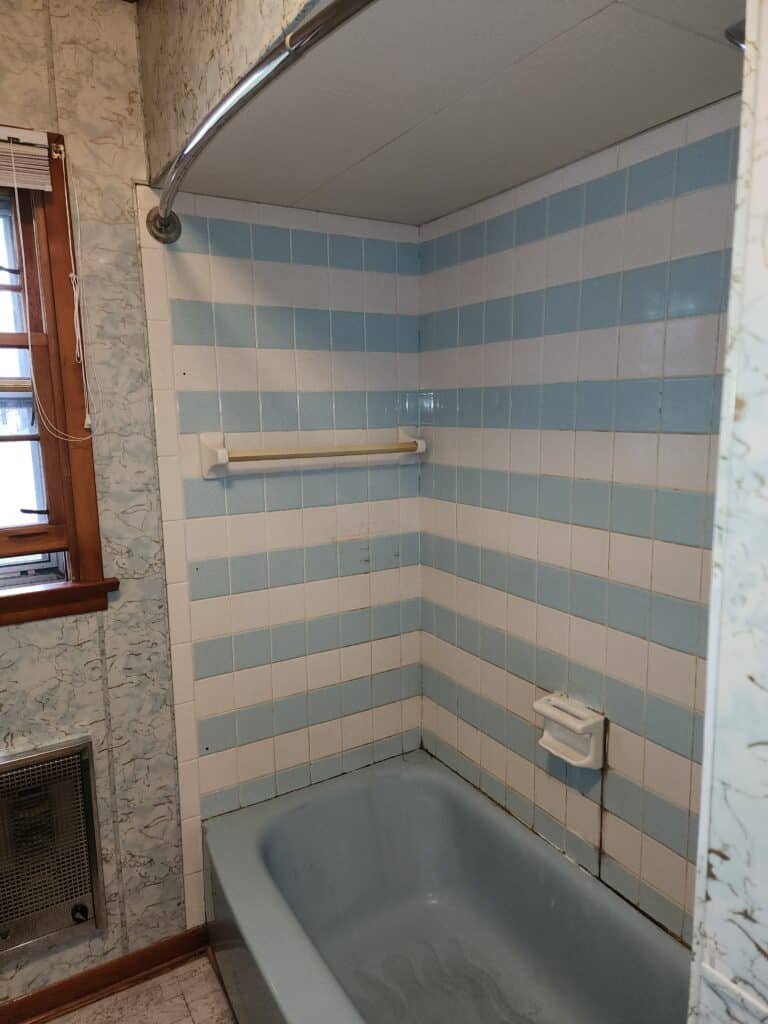
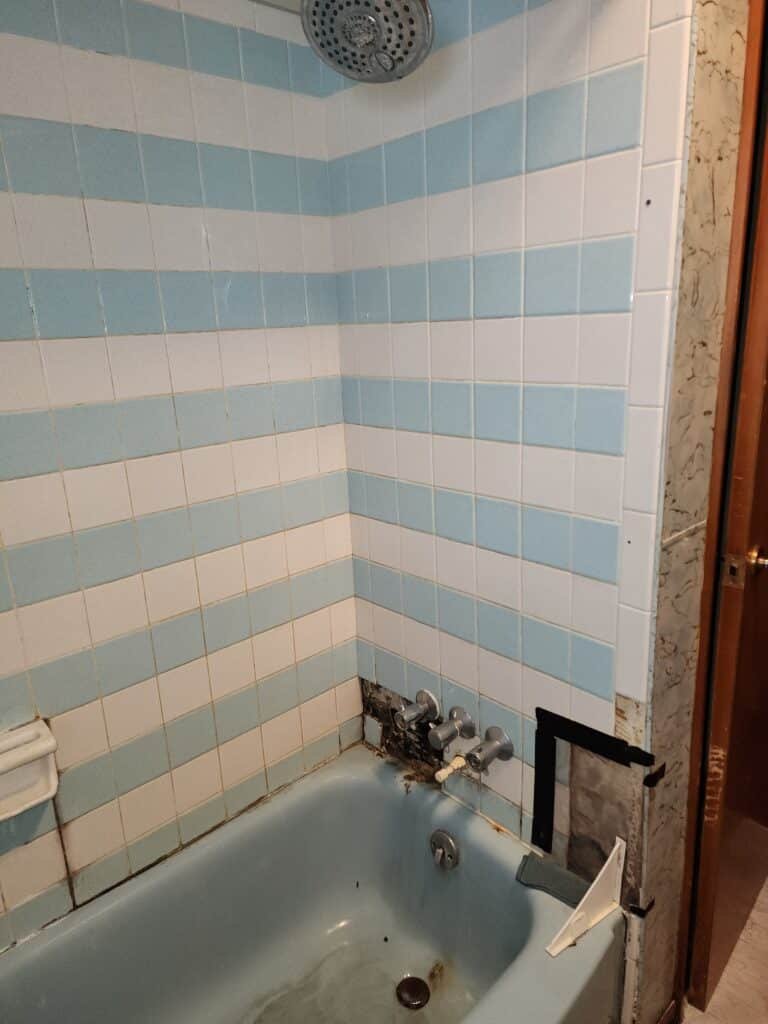
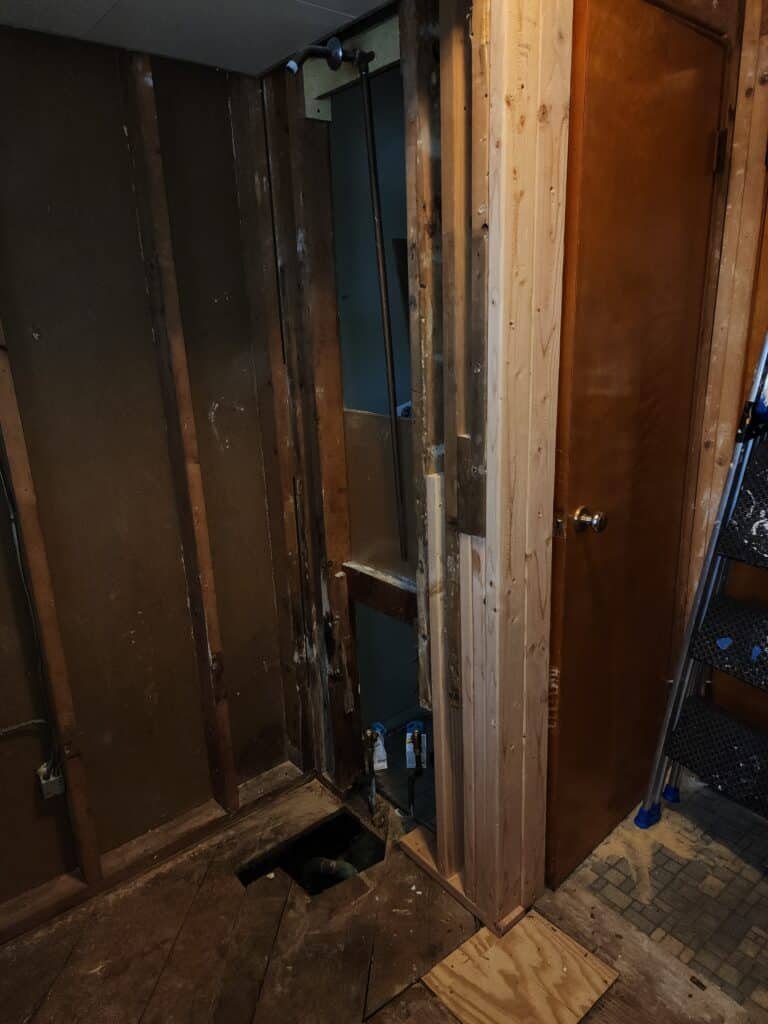
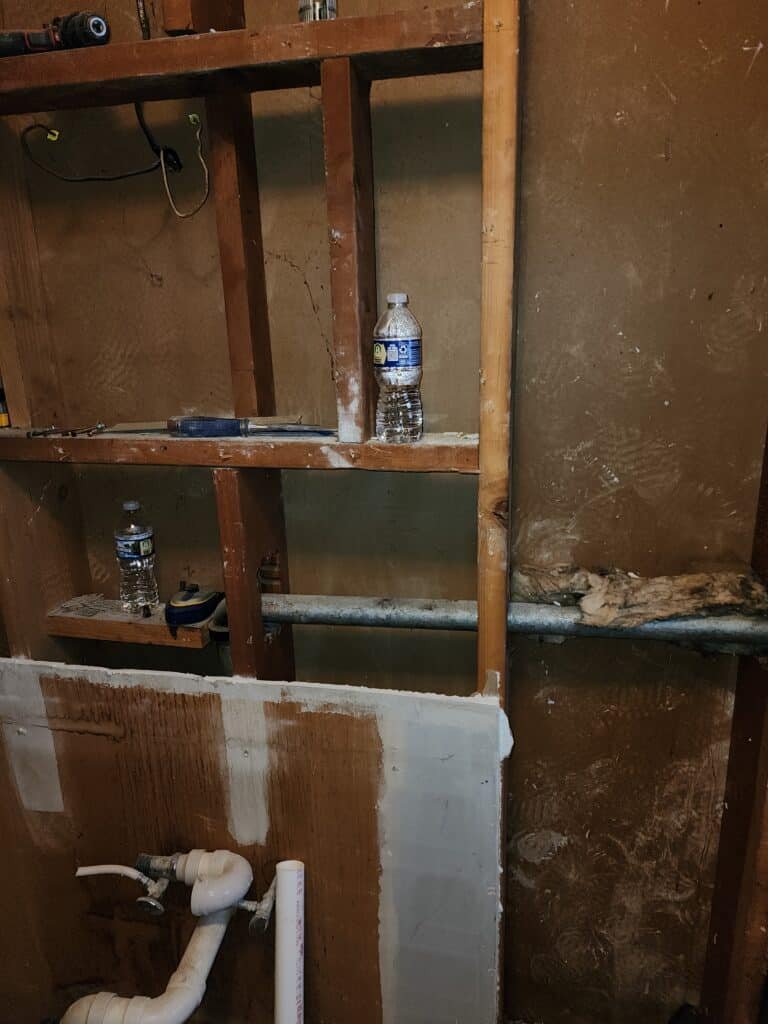
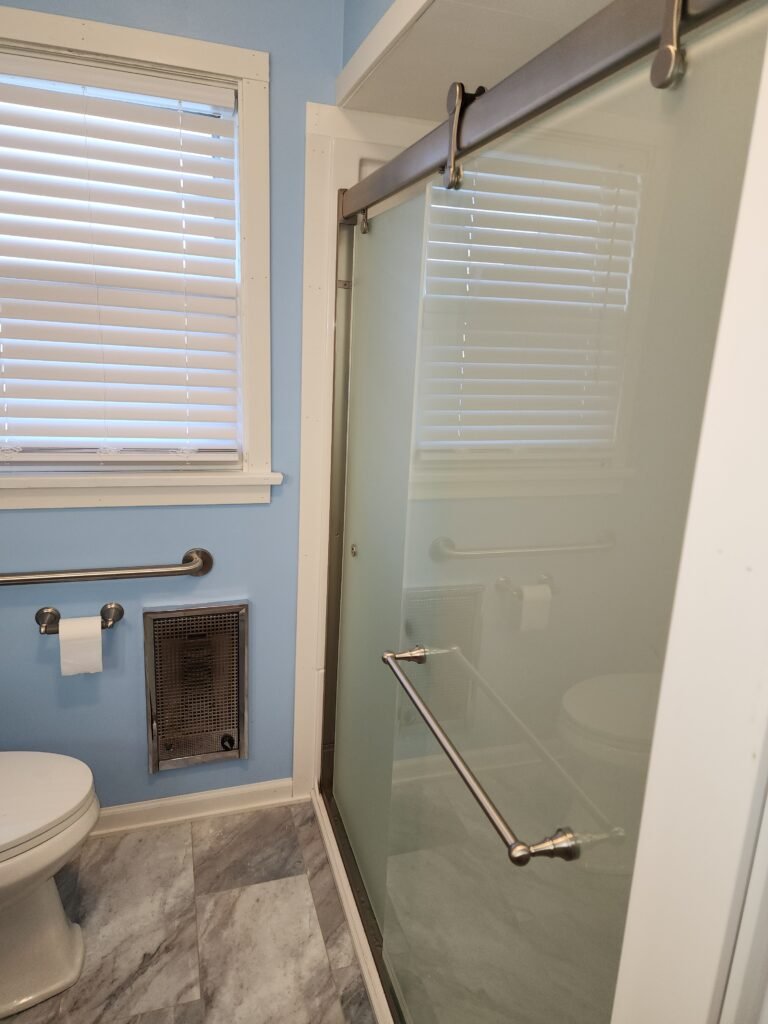
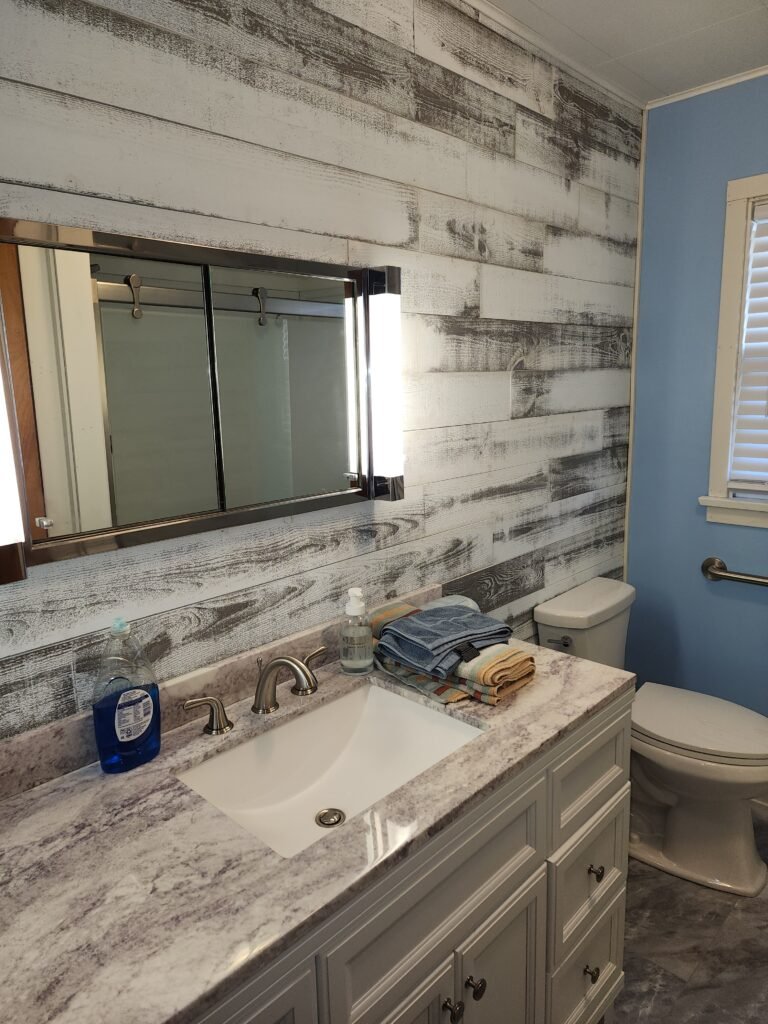
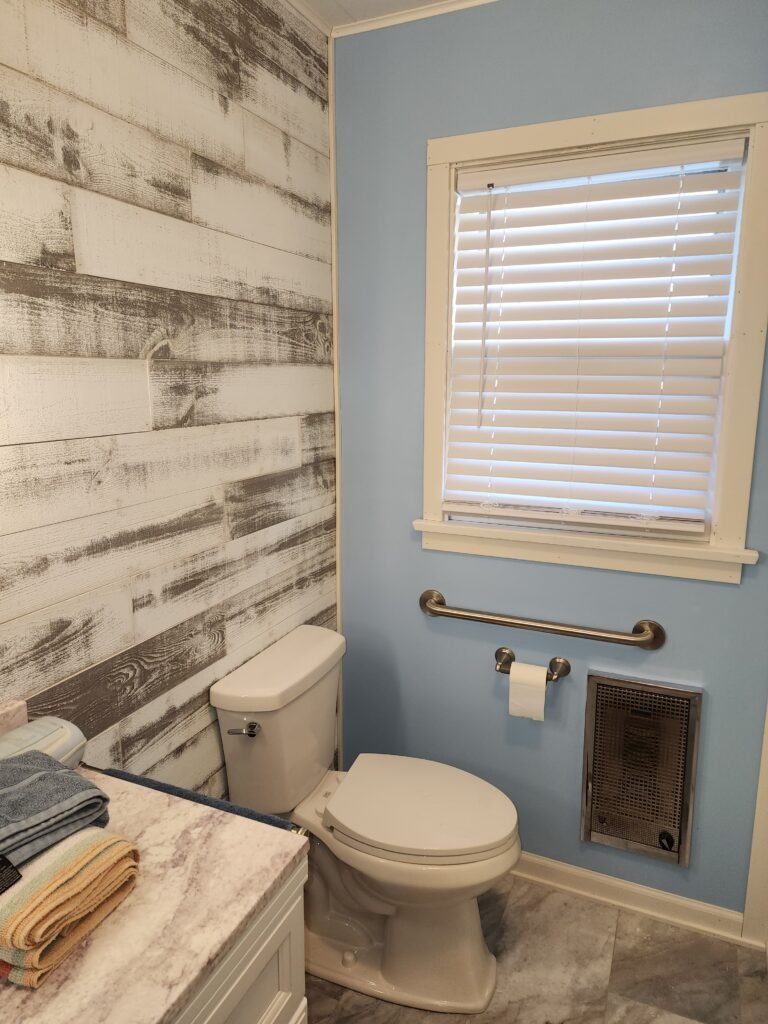
Portsmouth Historic Sears Home Gets Modern Bathroom Update
Located in Portsmouth, Ohio—a historic Ohio River community that serves as the county seat of Scioto County—this particular project centered on a vintage Sears home kit.
These are among the thousands of mail-order homes sold by Sears, Roebuck and Company between 1908 and 1940.
Understanding Sears Kit Homes in Portsmouth
Sears kit homes, also called “catalog homes” or “mail-order homes,” arrived by railroad with all materials needed for construction.
Packages included lumber, nails, paint, hardware, and detailed instruction manuals. These homes ranged from simple bungalows to elaborate Colonials, and many still stand throughout the Ohio Valley region today.
Portsmouth and surrounding Scioto County communities contain numerous examples of these architecturally significant homes.
Models like the Sears Starlight, Sears Hillrose, and Sears Inglewood are commonly found in the area’s established neighborhoods, particularly in sections developed during the 1920s and 1930s.
The Family Heritage Connection
This particular home had been passed down through multiple generations, with each family member adding their own updates and improvements over the decades.
The bathroom at the center of this remodel had last been updated in the 1970s.
While some fixtures had been replaced over the years, the fundamental systems—electrical, plumbing, and structural—remained largely original to that earlier renovation.
The homeowners wanted a complete transformation that would provide modern convenience and safety while honoring the home’s history.
Importantly, they wanted to preserve a vintage medicine cabinet that connected them to previous generations.
Common Challenges in Older Portsmouth Bathrooms
Bathroom remodeling in historic Portsmouth homes presents challenges familiar to homeowners throughout the Ohio Valley region.
Understanding these common issues helps set realistic expectations and budgets for renovation projects.
Outdated Plumbing Systems Need Complete Replacement
Homes built between 1900 and 1960 often feature galvanized steel pipes that corrode from the inside out.
This restriction reduces water flow and creates potential leak hazards. In this Portsmouth project, the original plumbing required complete replacement.
Modern plumbing upgrades typically involve:
- PEX (cross-linked polyethylene) supply lines that resist corrosion and freeze damage common in Ohio winters
- Modern shut-off valves for individual fixtures, allowing repairs without shutting down the entire house
- Properly sized drain lines with correct slope for reliable drainage
- Updated venting to prevent sewer gas infiltration and ensure proper drain function
Professional Portsmouth plumbing contractors typically recommend SharkBite PEX tubing systems for their ease of installation and durability.
These systems resist the freeze-thaw cycles common in Southern Ohio.
Aging Electrical Wiring Creates Safety Concerns
The electrical systems in vintage homes rarely meet current safety standards.
This bathroom, like many Portsmouth homes from this era, had:
- Insufficient outlets for modern bathroom needs (hair dryers, electric toothbrushes, shavers, etc.)
- Lack of GFCI (Ground Fault Circuit Interrupter) protection required by code in wet locations
- Outdated wiring types potentially including cloth-wrapped wiring or aluminum wiring with known safety concerns
- Inadequate circuit capacity for modern lighting and ventilation requirements
Modern bathroom electrical upgrades include 20-amp dedicated circuits.
GFCI-protected receptacles must be installed within 6 feet of water sources, along with adequate lighting circuits and proper grounding throughout.
Did You Know? GFCI outlets can prevent up to 83% of electrocutions in wet locations by shutting off power in just 1/40th of a second when they detect a ground fault. They’re now required by code within 6 feet of all water sources in bathrooms.
Deteriorating Fixtures and Materials
After decades of use, bathroom fixtures and finishes naturally wear out:
- Toilets develop internal component failures, cracks in porcelain, and inefficient flushing mechanisms
- Bathtubs and showers show surface damage, caulk failure, and substrate deterioration from water infiltration
- Vanities and cabinets suffer water damage from leaks and condensation
- Tile and grout develop cracks, discoloration, and mold growth in grout lines
- Flooring shows wear patterns, water staining, and potential subfloor damage
In this Portsmouth project, nearly every surface and fixture had reached the end of its functional lifespan, necessitating complete removal and replacement.
Hidden Structural Issues Behind Walls
Behind walls and under floors, structural problems often lurk unseen until renovation begins:
- Water damage to framing from slow leaks and condensation
- Subfloor deterioration around toilets, tubs, and showers
- Inadequate blocking for new fixture installation
- Settling and movement creating unlevel floors and walls
Professional bathroom remodeling contractors in Portsmouth budget time and materials for addressing these surprise discoveries.
They’re nearly inevitable in homes approaching or exceeding 50 years of age.
Don’t get ripped off. See real pricing for bathrooms, kitchens, and HVAC.
Updated for 2026 Market Rates
Complete Bathroom Remodeling Process: Step-by-Step
A successful bathroom renovation follows a systematic sequence that addresses structural, mechanical, and aesthetic elements in the proper order.
Understanding this process helps homeowners appreciate the complexity and timeline of complete bathroom transformations.
Phase 1: Complete Demolition and Discovery
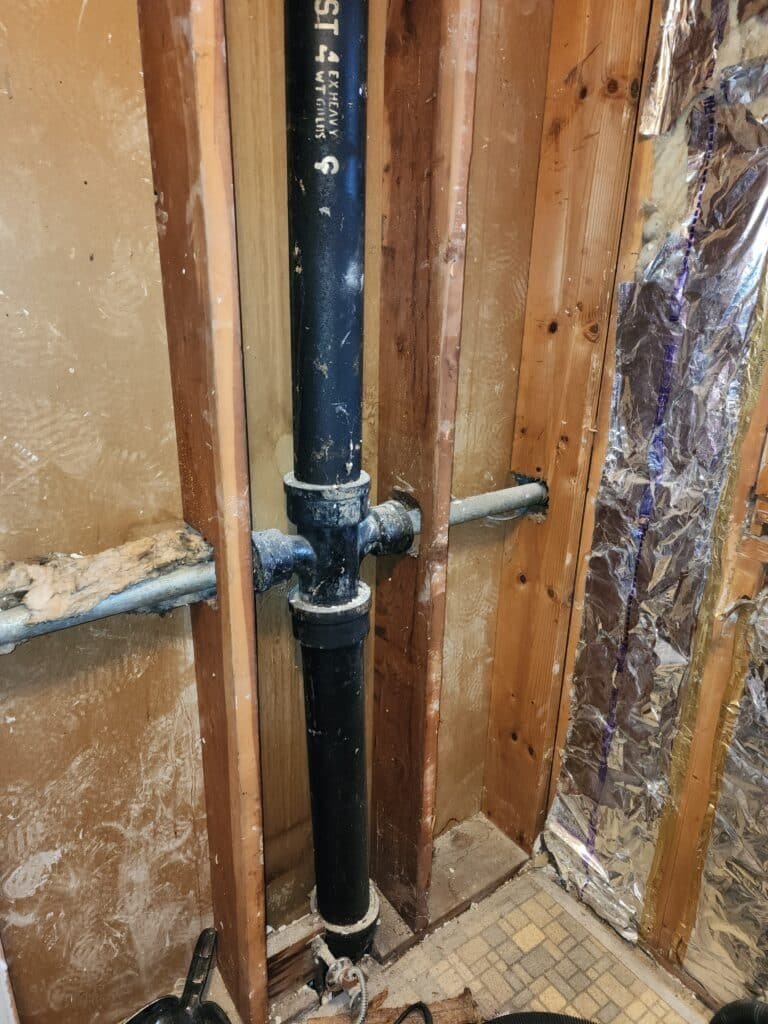
Complete bathroom remodels begin with full demolition down to the wall studs and subfloor.
This approach, while more invasive than surface-level renovations, offers several critical advantages:
- Reveals hidden problems before they become expensive emergency repairs
- Allows complete system updates to current building codes
- Provides access for proper waterproofing and moisture barriers
- Ensures level, solid surfaces for new finishes
Professional contractors carefully remove fixtures, tile, drywall, and flooring while protecting the rest of the home from dust and debris.
During this Portsmouth project, demolition revealed expected plumbing deterioration plus some unexpected structural concerns that were addressed before proceeding.
Phase 2: Structural Repairs and Framing Updates
With the bathroom stripped to its bones, structural work begins:
- Replacing damaged floor joists and subfloor sections
- Installing new blocking for secure fixture mounting
- Repairing wall framing damaged by water or settling
- Adding necessary reinforcement for heavy fixtures like stone countertops
This phase ensures a solid foundation for all subsequent work.
Contractors verify that floors are level, walls are plumb, and all framing meets current building code requirements.
Phase 3: Mechanical Systems Installation
Mechanical rough-in represents the most technically complex phase:
Plumbing rough-in: Installation of new supply lines, drain pipes, and vents according to Portsmouth building department requirements.
Supply lines are pressure-tested to verify no leaks exist within walls. Modern water hammer arrestors prevent the banging noises common in older plumbing systems.
Electrical rough-in: Running new circuits from the main panel, installing junction boxes for all outlets and fixtures, and ensuring proper GFCI protection.
Licensed electricians install dedicated 20-amp circuits for hair dryer outlets and verify all work meets National Electrical Code standards.
HVAC considerations: While full HVAC installation isn’t typical in bathroom remodels, ensuring adequate heating prevents winter condensation issues common in the Ohio Valley climate.
Phase 4: Building Department Inspection and Approval
Before closing up walls, professional contractors schedule rough-in inspections with the Portsmouth Building Department.
These inspections verify that all plumbing, electrical, and structural work meets current code requirements, protecting homeowners and ensuring insurance coverage.
Phase 5: Moisture Barriers and Substrate Preparation
With mechanical systems approved, moisture protection becomes the priority:
- Cement board installation in wet areas (tub/shower walls) using Durock Next-Gen cement board or similar products
- Waterproofing membrane application over seams and joints
- Vapor barrier installation in exterior walls to control condensation
- Regular drywall in areas not exposed to direct water contact
Ohio Valley’s humid climate makes proper moisture control essential.
Contractors familiar with the region understand that shortcuts in waterproofing lead to mold growth and premature material failure.
Moisture Control Tip: The Ohio Valley region experiences 65-75% average relative humidity during summer months. Proper waterproofing and ventilation aren’t optional—they’re essential for preventing mold and structural damage in bathroom renovations.
Phase 6: Finish Installations
With walls closed and inspected, finish work begins in sequence:
Tile installation: Professional tile setters install ceramic or porcelain tile in showers, tub surrounds, and potentially on floors.
They ensure proper slope for drainage and use appropriate thin-set mortar and grout for wet locations.
Fixture installation: Toilets, vanities, and shower enclosures are installed and connected to the rough plumbing. Quality installation ensures leak-free performance and proper function.
Final electrical: Light fixtures, exhaust fans, outlets, and switches are installed and tested for proper operation.
Flooring: Bathroom flooring goes in after wall finishes are complete to prevent damage during other installation phases.
Phase 7: Finishing Touches
The remodel concludes with:
- Painting walls and trim in colors selected by the homeowner
- Installing accessories like towel bars, toilet paper holders, and mirrors
- Final caulking around fixtures and flooring transitions
- Thorough cleaning to remove construction dust and debris
Modern Bathroom Fixture Selection Guide
Selecting appropriate fixtures balances aesthetics, functionality, budget, and long-term performance.
The Portsmouth project incorporated several modern fixture upgrades that represent sound choices for Ohio Valley bathrooms.
Walk-In Shower Selection and Benefits
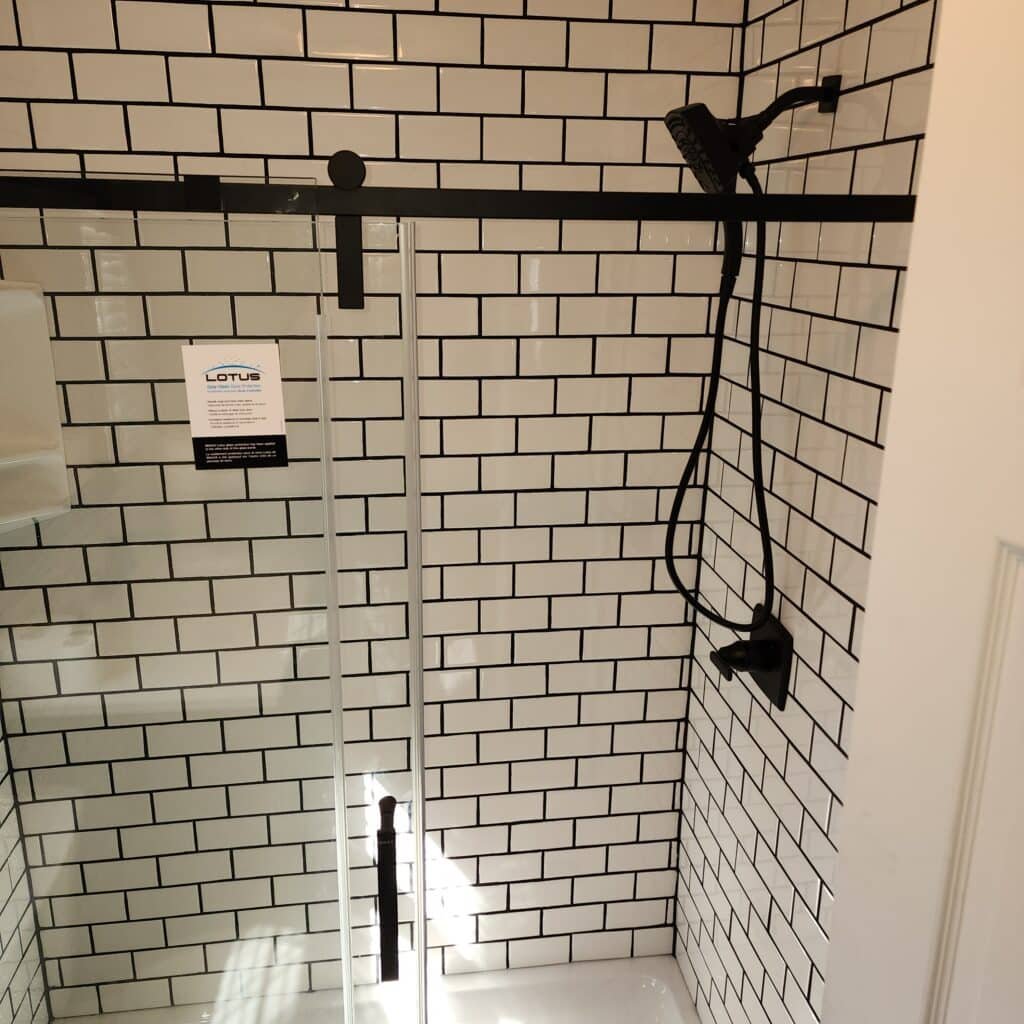
The homeowners replaced their old tub-shower combination with a spacious walk-in shower, a popular choice offering:
- Improved accessibility for aging-in-place and mobility considerations
- Modern aesthetic appeal that increases home resale value
- Easier cleaning compared to traditional tubs
- Flexible design options for tile patterns and fixture arrangements
Walk-in showers in the Portsmouth area typically feature:
- Acrylic or fiberglass bases for budget-friendly installations
- Custom tile bases for high-end look and design flexibility
- Frameless glass enclosures for contemporary appeal (though higher cost)
- Semi-frameless or framed enclosures balancing style and budget
Quality Delta Trinsic shower trim kits offer excellent performance and style at mid-range price points.
DreamLine shower enclosures provide frameless glass appearance without custom pricing.
Vanity and Sink Selection for Historic Bathrooms
The project featured a contemporary new vanity providing both storage and visual appeal.
Portsmouth homeowners typically choose between:
Freestanding vanities: Most common choice offering storage drawers, cabinet space, and variety of styles from traditional to contemporary.
Standard depths range from 18-21 inches, with widths from 24 to 72 inches depending on bathroom size.
Floating vanities: Wall-mounted units creating an illusion of more space and easier floor cleaning—ideal for smaller Portsmouth bathrooms in vintage homes.
Furniture-style vanities: Higher-end options resembling actual furniture pieces, often featuring turned legs, detailed woodwork, and premium finishes.
Sink options integrated with vanities include:
- Undermount sinks: Mounted beneath countertop for clean look and easy countertop cleaning
- Vessel sinks: Sit atop countertop for dramatic visual statement (though less practical)
- Integrated sinks: Molded as single piece with countertop, eliminating seams and leak points
Quality vanity options like the Design Element London vanity series offer solid wood construction and soft-close drawers.
They provide contemporary styling suitable for historic home renovations.
Toilet Selection: Efficiency and Performance
Modern toilets represent dramatic improvements over models from the 1970s-1990s:
Water efficiency: Current EPA WaterSense certified toilets use just 1.28 gallons per flush versus 3.5-7 gallons for older models.
Annual water savings can exceed 13,000 gallons for a family of four.
Performance improvements: Modern flushing technology provides superior waste removal despite lower water usage.
Pressure-assist and dual-flush systems offer customizable flushing power.
Comfort height options: Toilets with 17-19 inch seat height (versus standard 15 inches) improve accessibility and comfort.
They’re particularly beneficial for taller individuals and those with mobility challenges.
Top-performing options include:
- Kohler Santa Rosa – One-piece comfort height toilet combining efficiency and style
- TOTO Drake II – Exceptional flushing performance with elongated bowl
- American Standard Boulevard – Budget-friendly option with solid performance
Preserving Family Heritage Through Vintage Fixture Restoration
One of the most meaningful elements in this Portsmouth bathroom remodel involved restoring a 50-year-old medicine cabinet rather than replacing it with a new unit.
This approach demonstrates how thoughtful renovation can honor family history while achieving modern functionality.
The Vintage Medicine Cabinet
The medicine cabinet in question featured characteristics typical of high-quality bathroom fixtures from the 1960s-1970s:
- Integrated side lighting with incandescent bulb sockets flanking a central mirrored cabinet
- Metal construction with durable powder-coat finish
- Quality mirrors with beveled edges
- Recessed design fitting between wall studs for space efficiency
These vintage units often surpass modern medicine cabinets in build quality.
They feature heavier-gauge steel, better mirror quality, and more robust mounting systems than contemporary budget and mid-range options.
The Sentimental Connection
For this Portsmouth family, the medicine cabinet represented more than just functional storage—it connected them to previous generations who had used the same fixture.
The homeowner’s father had installed it during an earlier bathroom update, and preserving it maintained a tangible link to family history.
This emotional connection to vintage home elements is common throughout the Ohio Valley region, where multi-generational home ownership remains prevalent.
Professional remodeling contractors who understand this dynamic can help homeowners make informed decisions about what to preserve versus what to replace.
The Professional Restoration Process
Restoring vintage bathroom fixtures requires careful attention to both aesthetics and safety:
Hire the Right Contractor the First Time
Use our free research guide and intelligence report to vet any contractor before you sign a contract.
Step 1: Careful Removal and Storage
Professional contractors carefully removed the medicine cabinet before wall demolition, protecting mirrors from breakage and cataloging all mounting hardware.
The unit was stored in a safe location away from construction activities.
Step 2: Thorough Cleaning
Decades of soap scum, dust, and grime were removed using appropriate cleaning products that wouldn’t damage original finishes.
Bar Keepers Friend effectively cleans metal surfaces without scratching.
Step 3: Electrical Rewiring for Safety
Original wiring from the 1970s was completely replaced with modern NM (Romex) cable meeting current electrical code.
This critical step ensures safety while maintaining the cabinet’s integrated lighting function. Licensed electricians installed new sockets compatible with modern LED bulbs.
Step 4: Refinishing and Painting
The cabinet’s metal surfaces were lightly sanded to promote paint adhesion, then coated with Rust-Oleum Protective Enamel in a color coordinating with the new bathroom design.
Step 5: Mirror Restoration
Original mirrors were professionally cleaned and, where necessary, re-silvered by specialty glass companies serving the Portsmouth-Ironton-Ashland region.
Step 6: Reinstallation
After wall finishing was complete, the restored medicine cabinet was securely mounted between studs using new mounting brackets and appropriate wall anchors.
The final result seamlessly integrated a cherished vintage piece into an otherwise completely modern bathroom.
When Restoration Makes Sense vs. Replacement
Not all vintage fixtures warrant restoration. Consider preserving pieces when:
- Build quality exceeds modern equivalents at similar price points
- Sentimental value connects homeowners to family history
- Architectural significance matches the home’s historic character
- Restoration cost is reasonable compared to quality replacement options
- Safety can be ensured through proper electrical/plumbing updates
Fixtures that should typically be replaced rather than restored:
- Toilets: Old models waste excessive water and replacement provides immediate efficiency benefits
- Faucets with internal corrosion: Modern cartridge faucets offer superior performance and reliability
- Fixtures with structural damage: Cracked porcelain, bent frames, or rusted-through metal compromise function
- Items with obsolete parts: When replacement components are unavailable, restoration becomes impractical
Design Elements That Add Character to Historic Bathrooms
Beyond functional fixtures and systems, thoughtful design elements transform bathrooms from purely utilitarian spaces into rooms with personality and visual appeal.
This Portsmouth project incorporated several distinctive touches.
Rustic Barn Siding Accent Walls
The design featured rustic barn siding on walls behind the vanity and surrounding the medicine cabinet, creating textural interest and warmth.
This choice particularly suits historic Ohio Valley homes where agricultural heritage remains culturally significant.
Barn siding installation considerations:
- Material sourcing: Authentic reclaimed barn wood carries historical character but requires careful inspection for insect damage and structural soundness
- Modern alternatives: Peel-and-stick wood planks offer similar aesthetics with easier installation
- Moisture protection: All wood elements in bathrooms require proper sealing with water-based polyurethane
- Installation method: Construction adhesive combined with brad nails provides secure attachment to drywall or directly to studs
Alternative texture options for Portsmouth bathrooms include:
- Shiplap: Overlapping horizontal planks offering farmhouse aesthetic
- Beadboard: Vertical planking with decorative grooves, popular in cottage-style designs
- Stone veneer: Stacked stone or ledger stone for more dramatic natural texture
- Decorative tile: Subway tile, hexagon tile, or patterned cement tile for classic or contemporary looks
Color Selection Strategies for Historic Homes
Paint colors chosen by the Portsmouth homeowners complemented both the rustic wood elements and the restored medicine cabinet.
Effective bathroom color strategies include:
Light neutral bases: Whites, light grays, and soft beiges maximize natural light in typically smaller bathrooms common in vintage homes.
Benjamin Moore White Dove, Sherwin-Williams Agreeable Gray, and Behr Silver Drop represent popular neutral choices.
Accent color opportunities: Vanity cabinets, ceiling paint, or single accent walls allow personality without overwhelming small spaces.
Navy blues, sage greens, and warm grays complement both traditional and contemporary designs.
Historic color palettes: For homeowners wanting period-appropriate aesthetics, historically accurate paint colors suit Sears kit homes and other vintage Portsmouth architecture.
Hardware and Accessory Selection
Coordinated hardware ties design elements together:
- Faucet finish: Chrome remains most popular for affordability and versatility, while brushed nickel, oil-rubbed bronze, and matte black offer distinctive character
- Cabinet hardware: Drawer pulls and knobs should coordinate with faucet finish for cohesive appearance
- Towel bars and hooks: Quality towel bars in matching finishes complete the look
- Toilet paper holders: Wall-mounted or recessed styles depending on layout and preference
Moisture Control and Ventilation: Essential for Ohio Valley Bathrooms
The Ohio Valley region’s climate—characterized by high humidity, temperature fluctuations, and proximity to the Ohio River—makes proper moisture control essential in bathroom design.
Inadequate ventilation leads to mold growth, paint failure, and structural damage that compromises both health and home value.
The Critical Importance of Bathroom Exhaust Fans
This Portsmouth remodel included installation of a new bathroom exhaust fan, one of the most critical but often overlooked components in bathroom renovations.
Proper exhaust fans:
- Remove moisture-laden air during and after showers, preventing condensation
- Reduce mold and mildew growth on surfaces, grout, and within wall cavities
- Eliminate odors through continuous or on-demand ventilation
- Extend fixture and finish lifespan by reducing corrosion and deterioration
- Improve indoor air quality by exhausting volatile organic compounds (VOCs) from cleaning products
Sizing Bathroom Exhaust Fans Correctly
Fan capacity is measured in CFM (cubic feet per minute) and should be sized to the bathroom dimensions:
Standard calculation: Multiply bathroom length × width × height to get cubic feet, then divide by 7.5 to determine minimum CFM rating.
For example, an 8′ × 5′ × 8′ bathroom (320 cubic feet) requires at minimum a 43 CFM fan, though 50-80 CFM provides better performance.
Home Ventilating Institute (HVI) recommendations:
- Bathrooms under 50 sq ft: 50 CFM minimum
- Bathrooms 50-100 sq ft: 1 CFM per square foot
- Master bathrooms with separate toilet room: Add 50 CFM for toilet area
Quality bathroom fans for Portsmouth-area applications include:
- Broan-NuTone 678 – Budget-friendly 50 CFM option suitable for smaller bathrooms
- Panasonic WhisperCeiling – Ultra-quiet operation with excellent airflow
- Delta BreezRadiance – Combined fan, light, and heater for year-round comfort
Proper Ventilation Installation Requirements
Exhaust fans must vent to the exterior—never into attics or crawl spaces where moisture causes structural damage.
Proper installation includes:
- Rigid or flexible ducting sized appropriately (typically 4-inch for residential fans)
- Shortest possible duct runs minimizing elbows and turns that restrict airflow
- Exterior termination with damper preventing backdraft and pest entry
- Proper flashing and caulking around roof or wall penetrations
Additional Moisture Control Strategies
Beyond exhaust fans, effective moisture management includes:
Bathroom windows: Operable windows provide natural ventilation and emergency egress (required by code in some jurisdictions).
Humidity-resistant materials: Mold-resistant drywall, cement board in wet areas, and proper waterproofing membranes prevent moisture infiltration into wall cavities.
Grout sealing: Regularly sealing tile grout with quality sealers prevents water absorption and mold growth in grout lines.
Adequate heating: Maintaining consistent bathroom temperature during Ohio winters prevents condensation on cold surfaces.
For more comprehensive information, see our complete guide to bathroom moisture control and mold prevention in Southern Ohio.
Bathroom Flooring Options for Ohio Valley Homes
The Portsmouth project concluded with installation of luxury vinyl flooring, combining aesthetic appeal, water resistance, and practical durability.
Understanding flooring options helps homeowners make informed decisions balancing budget, performance, and design preferences.
Luxury Vinyl Plank (LVP) and Luxury Vinyl Tile (LVT)
Luxury vinyl has become the most popular bathroom flooring choice in the Portsmouth region due to its numerous advantages:
Water resistance: Unlike laminate or hardwood, LVP/LVT is completely waterproof when properly installed with sealed seams, making it ideal for bathroom environments.
Realistic appearance: Modern luxury vinyl convincingly replicates hardwood, stone, and ceramic tile at a fraction of the cost.
High-definition printing and embossed textures create visual and tactile authenticity.
Comfort and warmth: Vinyl feels warmer underfoot than ceramic tile—a significant advantage during Ohio winters.
Installation flexibility: Click-lock installation allows DIY installation or faster professional installation compared to tile.
Floating floors accommodate minor subfloor imperfections common in older homes.
Durability and maintenance: Scratch-resistant wear layers protect against daily wear, while smooth surfaces resist dirt and clean easily with standard bathroom cleaners.
Quality LVP options include:
- LifeProof Luxury Vinyl Plank – 100% waterproof with excellent durability
- TrafficMaster Allure Ultra – Budget-friendly with good performance
Ceramic and Porcelain Tile Flooring
Traditional tile flooring remains popular for bathroom applications:
Advantages:
- Completely waterproof and highly durable
- Unlimited design possibilities with colors, patterns, and sizes
- Increases home resale value, particularly in higher-end renovations
- Extremely long lifespan when properly installed and maintained
Considerations:
- Cold underfoot unless radiant floor heating is installed
- Hard surface less forgiving of dropped items
- Grout lines require regular sealing and maintenance
- Professional installation recommended for quality results
Popular tile patterns for Portsmouth bathrooms:
- 12×24 inch porcelain planks: Wood-look tile combining tile durability with hardwood aesthetics
- Hexagon tile: Classic pattern experiencing renewed popularity in both traditional and contemporary designs
- Large-format tile: 12×12 inch or larger tiles minimize grout lines for easier cleaning
- Mosaic tile: Small tiles (1-2 inch) provide slip resistance and intricate design options
Alternative Flooring Materials
Sheet vinyl: Budget-friendly option offering continuous waterproof surface but limited design options compared to LVP. Best suited for rentals or budget-conscious renovations.
Natural stone: Marble, travertine, and slate create luxurious, high-end aesthetics but require sealing, careful maintenance, and professional installation. Costs typically exceed $10-15 per square foot installed.
Heated floors: Radiant floor heating systems can be installed beneath tile or luxury vinyl, providing exceptional comfort during Ohio winters.
Electric mat systems like WarmlyYours floor heating add $10-15 per square foot to installation costs but dramatically improve bathroom comfort.
Bathroom Lighting Solutions for Function and Ambiance
Proper bathroom lighting serves both practical and aesthetic functions.
This Portsmouth remodel incorporated updated lighting fixtures that improved visibility, safety, and overall ambiance.
Layered Lighting Approach
Professional bathroom lighting design incorporates three types of lighting:
Task lighting: Focused illumination for grooming activities like shaving, makeup application, and hairstyling.
Vanity lighting should minimize shadows on faces while providing adequate brightness (typically 1,600-4,000 lumens total).
Ambient lighting: Overall room illumination from ceiling fixtures, providing safe navigation and general visibility.
Recessed cans, flush-mount fixtures, or semi-flush ceiling lights serve this function.
Accent lighting: Decorative elements creating visual interest—potentially highlighting architectural features, artwork, or creating mood through dimmer-controlled fixtures.
Vanity Lighting Options
The restored medicine cabinet’s integrated side lighting provided excellent task illumination, but modern vanity lighting options include:
Vertical sconces: Fixtures mounted on either side of mirrors at approximately 60-65 inches above the floor provide professional, shadow-free illumination.
Kichler Braelyn sconces offer contemporary style with quality construction.
Horizontal bath bars: Linear fixtures mounted above mirrors work well for wider vanities. LED bath bars provide excellent color rendering for accurate makeup application.
Lighted mirrors: Integrated LED mirrors combine mirror and lighting in single units, offering modern aesthetics and space efficiency.
Ceiling Lighting Considerations
Ceiling fixtures should be wet-rated or damp-rated depending on proximity to showers:
- Recessed LED downlights: Popular for clean, contemporary look; require adequate clearance above ceiling
- Flush-mount or semi-flush fixtures: Work in bathrooms with limited ceiling height; available in traditional and contemporary styles
- Exhaust fan/light combinations: Space-efficient solution combining ventilation and illumination
LED vs. Traditional Lighting
Modern bathroom lighting overwhelmingly favors LED technology:
Energy efficiency: LEDs use 75-80% less energy than incandescent bulbs, reducing electrical consumption and operating costs.
Longevity: Quality LED bulbs last 25,000-50,000 hours versus 1,000 hours for incandescent and 8,000 hours for CFLs, dramatically reducing replacement frequency.
Color temperature options: LEDs are available in warm white (2700K-3000K) for traditional feel, bright white (3500K-4100K) for task lighting, or daylight (5000K-6500K) for maximum clarity.
Dimmability: Modern dimmable LEDs work with standard dimmer switches when properly matched, allowing ambiance control.
Budget Planning and Portsmouth Bathroom Renovation Cost Considerations
Understanding bathroom remodeling costs helps Portsmouth-area homeowners set realistic budgets and prioritize spending on elements that provide the greatest value.
Typical Portsmouth Bathroom Remodel Costs
Complete bathroom renovations in the Portsmouth region typically range from $8,000 to $25,000+ depending on size, scope, and fixture quality:
Budget renovations ($8,000-$12,000):
- Standard-grade fixtures and materials
- Acrylic tub/shower units or basic tile surrounds
- Stock vanities and builder-grade faucets
- Vinyl or basic ceramic tile flooring
- Minimal structural or plumbing modifications
Mid-range renovations ($12,000-$18,000):
- Quality fixtures from recognized brands (Kohler, American Standard, Delta)
- Custom tile showers with frameless or semi-frameless glass
- Solid wood vanities with stone or quartz countertops
- Luxury vinyl plank or mid-grade porcelain tile flooring
- Complete plumbing and electrical updates
- Structural repairs as needed
High-end renovations ($18,000-$25,000+):
- Premium fixtures (TOTO, Grohe, DXV, Brizo)
- Custom tile work with specialty materials (marble, natural stone)
- Custom cabinetry or furniture-quality vanities
- Heated flooring, specialty lighting, or smart home features
- Significant layout changes requiring major plumbing relocations
Cost Planning Tool: Use our free bathroom remodeling calculator to estimate costs based on your specific project scope, material selections, and Portsmouth-area labor rates.
Cost Breakdown by Element
Typical cost allocation in mid-range Portsmouth bathroom remodels:
- Labor (40-50% of total): $4,800-$9,000 for professional installation
- Fixtures (20-25%): $2,400-$4,500 for toilet, vanity, shower, faucets
- Tile and flooring (10-15%): $1,200-$2,700 for materials and installation
- Plumbing and electrical (10-15%): $1,200-$2,700 for system updates
- Drywall, paint, trim (5-10%): $600-$1,800 for finishing work
- Miscellaneous (5-10%): $600-$1,800 for ventilation, lighting, accessories
Where to Invest and Where to Save
Worth investing in:
- Plumbing and electrical updates: Foundation of safe, reliable performance
- Proper waterproofing: Prevents expensive future water damage
- Quality exhaust ventilation: Protects investment through moisture control
- Durable flooring: High-traffic surface should withstand daily use
Reasonable places to economize:
- Decorative accessories: Towel bars, toilet paper holders can be upgraded later
- Paint colors: Easily changed if preferences evolve
- Shower doors: Semi-frameless provides good appearance at lower cost than frameless
- Vanity cabinets: Stock cabinets with upgraded hardware look custom
Financing Options for Portsmouth Homeowners
For larger bathroom renovation projects exceeding available cash:
- Home equity loans or HELOCs: Typically offer lowest interest rates for homeowners with sufficient equity
- Personal loans: Faster approval but higher rates; suitable for smaller projects
- Contractor financing: Some remodeling companies offer payment plans, though rates vary
- Credit cards: 0% introductory offers can work for smaller projects if paid off quickly
Find Local Portsmouth Bathroom Remodeling Contractors
Professional bathroom remodeling requires expertise across multiple trades—plumbing, electrical, carpentry, tile work, and finish carpentry.
Portsmouth-area homeowners benefit from working with experienced contractors who understand local building codes, climate considerations, and the unique challenges of renovating historic homes.
What to Look for in Portsmouth Bathroom Contractors
When evaluating remodeling contractors, consider:
Licensing and insurance: Ohio contractors performing work over $1,000 must register with the Ohio Attorney General’s Office.
Verify contractors carry general liability insurance and workers’ compensation coverage protecting homeowners from liability.
Local experience: Contractors familiar with Portsmouth building department requirements, regional material suppliers, and climate-specific best practices complete projects more efficiently.
Multiple trade coordination: Quality remodelers either employ or coordinate licensed plumbers, electricians, and specialty trades.
They manage the project timeline and ensure code compliance.
Portfolio and references: Review photos of completed projects similar to your vision, and contact previous clients about their experience, timeline adherence, and overall satisfaction.
Written estimates and contracts: Detailed proposals specifying materials, labor, timeline, and payment schedule protect both parties and prevent misunderstandings.
Questions to Ask Potential Contractors
- How long have you been performing bathroom remodels in the Portsmouth area?
- Are you licensed and insured? Can you provide proof?
- Who will be on-site daily managing the project?
- What is your typical timeline for a project of this scope?
- How do you handle unexpected issues discovered during demolition?
- Do you obtain all necessary permits and schedule inspections?
- What warranty do you provide on your work?
- Can you provide references from recent bathroom remodel clients?
Connect With Vetted Bathroom Remodeling Professionals
Kore Komfort Solutions maintains relationships with experienced bathroom remodeling contractors serving Portsmouth, Wheelersburg, Lucasville, and surrounding Scioto County communities.
Our network includes professionals specializing in historic home renovations, complete bathroom transformations, and fixture restoration.
Whether you’re planning a complete gut renovation similar to this Portsmouth project or focused updates to specific elements, connecting with qualified local contractors ensures your bathroom remodel achieves professional results.
These results enhance your home’s value, functionality, and enjoyment.
Ready to transform your bathroom? Our free bathroom assessment tool helps you clarify your goals, establish realistic budgets, and prepare for productive conversations with contractors.
Frequently Asked Questions About Portsmouth Bathroom Remodeling
How much does a complete bathroom remodel cost in Portsmouth, Ohio?
A complete bathroom remodel in Portsmouth typically ranges from $8,000 to $25,000 depending on the scope of work. Basic renovations with mid-range fixtures cost $8,000-$12,000, while comprehensive remodels with premium fixtures, custom tile work, and structural updates run $15,000-$25,000. Historic homes like vintage Sears kit homes may require additional budget for structural repairs and systems upgrades.
Should I restore or replace vintage bathroom fixtures in my historic Portsmouth home?
Restoration makes sense for high-quality vintage fixtures with sentimental value or architectural significance. Medicine cabinets from the 1960s-70s with integrated lighting can often be restored for less than replacement cost while preserving your home’s character. However, toilets should typically be replaced with modern water-saving models that use 1.28 gallons per flush versus older 3.5-7 gallon toilets.
What are the most important upgrades in an older Portsmouth bathroom?
The most critical upgrades include updated electrical wiring with GFCI protection, proper moisture ventilation with 50-80 CFM exhaust fans vented to exterior, water-resistant flooring like luxury vinyl or porcelain tile, and improved plumbing with PEX lines replacing corroded galvanized steel pipes. These foundational improvements ensure safety and prevent moisture damage common in the humid Ohio Valley climate.
How long does a complete bathroom renovation take in Portsmouth?
A complete bathroom gut renovation typically takes 2-4 weeks from demolition to completion. Basic cosmetic updates may be completed in 1-2 weeks, while projects requiring structural repairs, custom tile work, or restoration of vintage elements may extend to 4-6 weeks. Timeline depends on material availability and scope of work.
What moisture control measures are essential for Ohio Valley bathrooms?
Ohio Valley’s humid climate requires proper ventilation with 50-80 CFM exhaust fans vented to exterior, cement board behind tile installations, sealed grout lines with penetrating sealers reapplied every 1-2 years, and adequate bathroom insulation. Installing exhaust fans vented to the exterior and running them during and 20 minutes after showers helps prevent mold growth and moisture damage.
Can I keep my vintage medicine cabinet during a bathroom remodel?
Yes, high-quality vintage medicine cabinets from the 1950s-1970s can be successfully integrated into modern bathroom designs. The restoration process involves careful removal during construction, professional rewiring of integrated lighting to current electrical code, thorough cleaning and refinishing, and fresh paint to coordinate with new fixtures.
Conclusion
This Portsmouth bathroom remodeling project demonstrates how professional renovation can transform outdated spaces while honoring family heritage and historic home character.
By addressing fundamental systems—electrical, plumbing, moisture control—alongside aesthetic improvements, the homeowners created a bathroom that will serve reliably for decades.
The renovation maintains connections to the past through thoughtfully restored vintage elements.
The key lessons from this renovation apply broadly to bathroom projects throughout the Ohio Valley region:
- Invest in proper systems first: Updated electrical, plumbing, and ventilation provide the foundation for long-term performance
- Address moisture control comprehensively: The region’s humid climate demands proper waterproofing and ventilation
- Balance old and new thoughtfully: Historic homes benefit from blending modern functionality with character preservation
- Select durable, appropriate materials: Quality fixtures and finishes suited to the climate and usage patterns deliver best value
- Work with experienced professionals: Skilled contractors familiar with local conditions and historic home challenges ensure successful outcomes
Whether you’re considering a complete bathroom renovation in Portsmouth or focused updates, understanding the comprehensive approach demonstrated in this project helps you plan effectively.
You’ll budget realistically and achieve results that enhance your daily life while respecting your home’s unique character.
FTC Disclosure: This article contains affiliate links to products we recommend. If you purchase through these links, we may earn a commission at no additional cost to you. We only recommend products our network partners have successfully used in bathroom remodeling projects across the Ohio Valley region.
Related Resources
- Bathroom Remodeling Calculator
- Free Bathroom Assessment Tool
- Bathroom Remodeling in Southern Ohio: Complete Guide to Professional Bathroom Renovation
- Bathroom Remodeling: Complete Guide to Planning, Costs, and Design
- Bathroom Moisture Control & Mold Prevention in Southern Ohio’s Humid Climate: Complete Waterproofing Guide
- Tub-to-Shower Conversion in Southern Ohio: Complete Guide to Benefits, Costs & Process
Author: mike@korekomfortsolutions.com
Hire the Right Contractor the First Time
Use our free research guide and intelligence report to vet any contractor before you sign a contract.