Last Updated: January 2026 | Applies to: Cincinnati, Hamilton County, Northern Kentucky, and Greater Cincinnati Metro Area
💡 Key Takeaways
Cost range: Cincinnati bathroom remodels typically run $6,500 to $35,000, with luxury projects exceeding $50,000. See our detailed cost guide →
Timeline: Plan for 2 to 4 weeks for most mid-range projects, though scope and permits affect duration. View complete timeline breakdown →
Permits required: Cincinnati and Hamilton County require permits for plumbing, electrical, and structural work.
ROI potential: Expect to recoup 54% to 70% of your investment at resale for mid-range remodels. Learn about bathroom ROI →
Best timing: Late fall and winter offer better contractor availability; spring and summer have longer lead times.
Affiliate Disclosure: This article contains affiliate links to products on Amazon. If you click through and make a purchase, we may earn a small commission at no additional cost to you. This helps support our educational content. We only recommend products we believe provide value to homeowners. See our full affiliate disclosure policy for details.
Bathroom remodeling ranks among the most popular home improvement projects in Greater Cincinnati, and for good reason. A well-executed bathroom renovation improves daily comfort, increases home value, and addresses functional issues that accumulate over years of use. Whether you own a century-old Victorian in Hyde Park or a newer home in West Chester, understanding the complete remodeling process helps you make informed decisions and achieve results that match your vision.
This comprehensive guide covers everything Cincinnati homeowners need to know about bathroom remodeling, from initial planning through final walkthrough. We will explore costs specific to the Greater Cincinnati market, realistic timelines, how to find and vet qualified contractors, permit requirements, design considerations, and strategies to maximize your return on investment. Use this guide as your roadmap for navigating a successful bathroom renovation in the Ohio Valley.
Why Remodel Your Bathroom?
Cincinnati homeowners undertake bathroom remodels for various reasons, and understanding your primary motivation helps guide decisions throughout the project. Most renovations stem from one or more of these driving factors.
Addressing Functional Problems
Many bathrooms in Cincinnati homes have reached the end of their functional lifespan. Leaking fixtures, inadequate ventilation, outdated plumbing, and failing tile grout create both cosmetic and practical problems. Water damage from old showers or tubs can compromise subfloors and wall framing if left unaddressed. A remodel provides the opportunity to fix these issues properly rather than applying temporary patches.
Updating Dated Aesthetics
Design trends change significantly over decades. Bathrooms featuring pink tile, harvest gold fixtures, or oak vanities with cultured marble tops were once stylish but now feel dated. Updating surfaces, fixtures, and finishes transforms these spaces into bathrooms that feel current and cohesive with the rest of your home.
Improving Daily Comfort
The average person spends 30 minutes or more in the bathroom daily. Small improvements in layout, storage, lighting, and fixtures compound into meaningful quality-of-life benefits over time. Features like comfort-height toilets, better shower pressure, adequate lighting for grooming, and organized storage make daily routines more pleasant.
Preparing for Sale
Updated bathrooms consistently rank among the top features buyers seek. If you plan to sell within the next few years, a strategic bathroom remodel can accelerate the sale and potentially increase your final price. Buyers often discount homes with dated or damaged bathrooms, making renovation a worthwhile investment before listing.
Aging in Place
For homeowners planning to stay long-term, accessibility modifications ensure the bathroom remains safe and functional through changing mobility needs. Walk-in showers, grab bars, comfort-height toilets, and wider doorways support independent living. Our accessible bathroom remodeling guide covers these options in detail.
Types of Bathroom Remodels
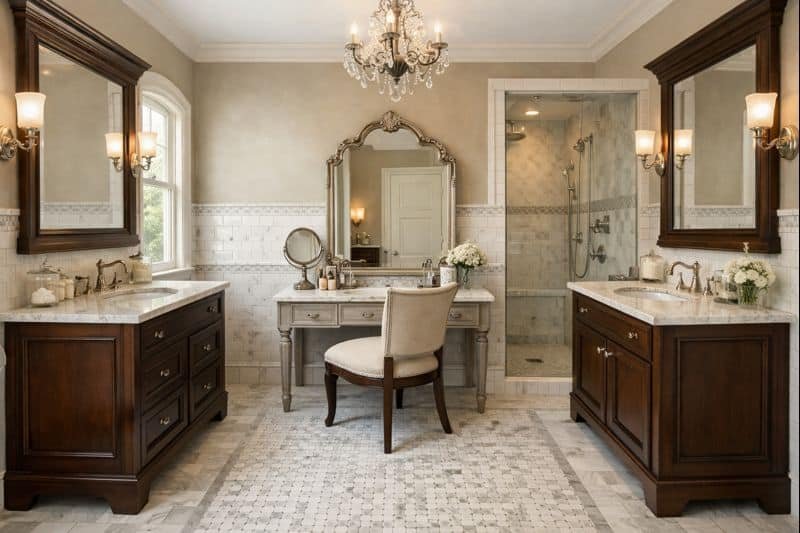
Bathroom remodels range from simple cosmetic refreshes to complete gut renovations. Understanding these categories helps you communicate your goals to contractors and set appropriate budget expectations.
| Remodel Type | Scope | Cost Range | Timeline |
|---|---|---|---|
| Cosmetic Refresh | Paint, fixtures, accessories | $3,000 – $7,000 | 1–3 days |
| Standard Remodel | New surfaces, vanity, fixtures; same layout | $10,000 – $25,000 | 2–3 weeks |
| Full Renovation | Complete replacement; possible layout changes | $25,000 – $50,000 | 3–6 weeks |
| Luxury Master Bath | High-end finishes; expanded footprint | $50,000 – $100,000+ | 6–12 weeks |
| Tub-to-Shower Conversion | Replace tub with walk-in shower | $5,000 – $15,000 | 1–2 weeks |
Cosmetic Refresh
A cosmetic refresh updates the bathroom’s appearance without touching plumbing or making structural changes. This approach works well when the bathroom functions properly but looks dated. Typical cosmetic projects include fresh paint, new light fixtures, updated mirrors, replacement hardware, new towel bars and accessories, and possibly a new toilet or vanity. These projects can often be completed in a weekend and offer significant visual impact for modest investment.
Standard Remodel
The standard remodel represents the most common renovation level for Cincinnati homeowners. This scope replaces all visible surfaces and fixtures while maintaining the existing layout. Work typically includes new flooring, new or refinished tub and shower surrounds, vanity replacement with new countertop and sink, updated plumbing fixtures, improved lighting and ventilation, and fresh paint throughout. Keeping the layout unchanged significantly reduces costs by avoiding plumbing relocation.
Full Renovation
Full renovations address everything from subfloor to ceiling, often including layout modifications. This level of work is appropriate when significant structural or plumbing issues exist, when you want to reconfigure the space, or when you desire a complete transformation. Full renovations may include custom tile work, relocated fixtures, new electrical circuits, custom cabinetry, and premium finishes. These projects require more time and budget but deliver dramatic results.
Luxury Master Bathroom Remodel
Luxury projects create spa-like retreats with high-end materials and custom features. These renovations often expand the bathroom footprint by incorporating closet space or reconfiguring adjacent rooms. Features might include heated floors, freestanding soaking tubs, multi-head shower systems, smart home integration, and furniture-quality cabinetry. Professional design services typically accompany projects at this level. See our master bathroom remodel cost guide for detailed pricing.
Tub-to-Shower Conversion
Converting a bathtub to a walk-in shower has become increasingly popular, particularly for master bathrooms and aging-in-place modifications. This focused project removes the existing tub and replaces it with a curbless or low-threshold shower. Our walk-in shower conversion guide covers costs and considerations specific to Cincinnati homes.
Bathroom Remodeling Costs in Cincinnati
Understanding realistic costs helps you budget appropriately and evaluate contractor bids. Cincinnati bathroom remodeling costs generally align with Midwest averages, though specific pricing depends on your neighborhood, home age, and chosen materials.
Cost Ranges by Project Type
Cosmetic refresh: $3,000 to $7,000. These budget-friendly updates focus on paint, fixtures, and accessories while keeping existing surfaces and plumbing intact.
Small bathroom remodel: $6,500 to $15,000. Covers most hall bathrooms and powder rooms where the footprint stays the same but surfaces and fixtures are replaced. See our small bathroom remodel cost guide for specific pricing.
Mid-range full remodel: $15,000 to $35,000. The most common budget range for Cincinnati homeowners undertaking complete bathroom transformations with quality materials.
Luxury master bathroom: $50,000 to $100,000+. High-end finishes, custom features, and potential footprint expansion characterize projects at this level.
For a comprehensive breakdown of where your money goes, including labor, materials, and fixture costs specific to the Cincinnati market, see our detailed bathroom remodel cost guide.
What Drives Costs Up
Several factors can push your bathroom remodel toward the higher end of cost ranges. Plumbing relocation adds $1,500 to $3,000 per fixture when moving toilets, sinks, or showers from their current positions. Older homes often reveal hidden issues like water damage, outdated wiring, or galvanized plumbing that must be addressed. Premium materials like natural stone, custom tile patterns, and furniture-grade cabinetry significantly increase budgets. Layout changes requiring wall modifications or structural work add both cost and timeline.
Where to Save Without Sacrificing Quality
Strategic choices can help stretch your budget without compromising results. Keeping fixtures in their current locations eliminates expensive plumbing relocation. Choosing quality mid-range materials over premium options delivers durability at lower cost. Selecting stock vanities rather than custom cabinetry saves thousands while still offering attractive options. Focusing upgrades on high-impact areas like the shower and vanity while using simpler finishes elsewhere maximizes visual impact per dollar spent.
Financing Your Bathroom Remodel
If upfront costs present a barrier, several financing options can make your renovation achievable. Home equity loans offer fixed rates and predictable payments, typically with lower interest rates than personal loans. Home equity lines of credit (HELOCs) provide flexible access to funds as needed throughout the project. Personal loans require no home equity but carry higher interest rates. Contractor financing programs offered by some larger remodeling companies can be convenient but compare terms carefully. Our bathroom remodel financing guide compares options available to Cincinnati homeowners in detail.
2026 Remodeling Cost Guide
Don’t get ripped off. See real pricing for bathrooms, kitchens, and HVAC.
Updated for 2026 Market Rates
The Bathroom Remodeling Process
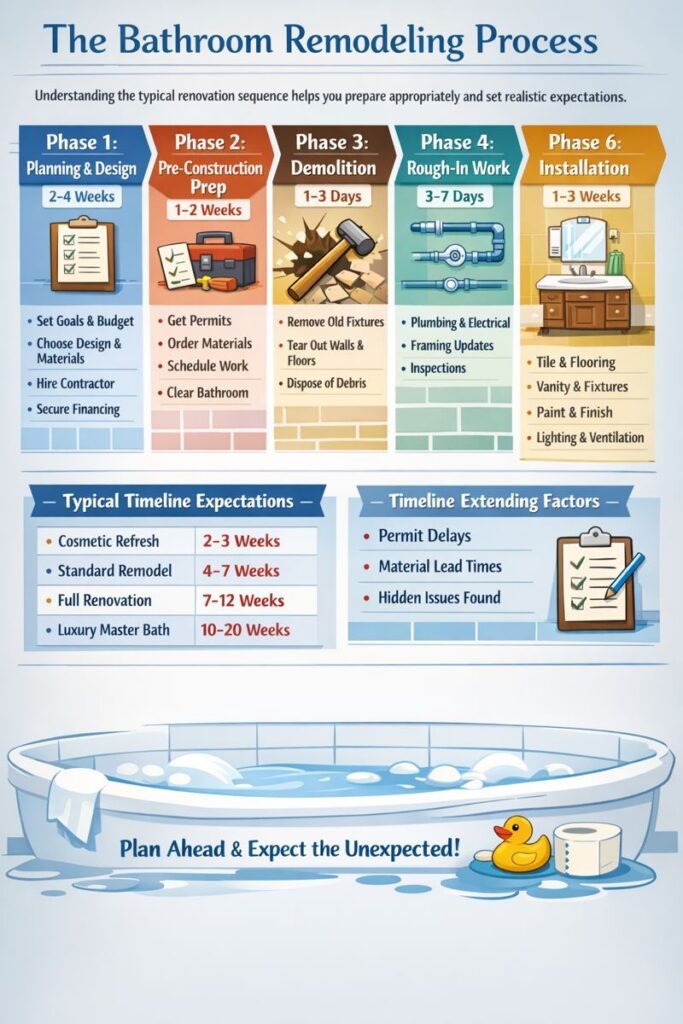
Understanding the typical renovation sequence helps you prepare appropriately and set realistic expectations. While every project differs in specifics, most bathroom remodels follow this general progression.
Phase 1: Planning and Design (2-4 Weeks)
Successful remodels begin with thorough planning. During this phase, you will define your goals and priorities, establish your budget range, gather inspiration and make design decisions, obtain contractor bids and select your team, finalize material selections, and secure financing if needed. Taking adequate time for planning prevents costly changes once work begins. Rushed decisions during this phase often lead to regrets later.
Browsing before-and-after photos from local contractors can help crystallize your vision. Sites like Houzz feature portfolios from Cincinnati-area remodelers, and many local contractors showcase completed projects on their websites and social media.
Phase 2: Pre-Construction Preparation (1-2 Weeks)
Before demolition begins, several tasks must be completed. Your contractor will finalize the project schedule, order materials with sufficient lead time, obtain necessary permits from the city or county, arrange for any required inspections, and coordinate trade scheduling. You will need to clear personal items from the bathroom, arrange access to your home if you work during the day, and prepare for temporary loss of bathroom access.
Phase 3: Demolition (1-3 Days)
Demolition removes existing fixtures, surfaces, and any elements being replaced. This phase is loud, dusty, and disruptive but typically moves quickly. Contractors should protect adjacent areas with plastic sheeting and maintain clean pathways through your home. Demolition often reveals hidden conditions that may require discussion and decisions.
Phase 4: Rough-In Work (3-7 Days)
With the space opened up, rough-in work addresses the infrastructure behind walls and under floors. Plumbers relocate or update supply lines and drains. Electricians run new circuits, relocate outlets, and prepare for lighting fixtures. Carpenters address any framing modifications or subfloor repairs. This phase includes required inspections before walls can be closed.
Phase 5: Installation (1-3 Weeks)
Installation represents the bulk of visible work. The sequence typically includes waterproofing and cement board installation, tile setting on floors and walls, vanity and countertop installation, toilet and fixture installation, lighting and ventilation completion, and paint and finish work. Tile work often takes the longest, particularly with complex patterns or multiple surfaces.
Phase 6: Completion and Walkthrough (1-2 Days)
Final steps include hardware and accessory installation, final cleaning, touch-up work, and your walkthrough with the contractor. Create a punch list of any items needing attention. Most contractors schedule a follow-up visit to address punch list items.
For detailed timeline expectations, see our bathroom remodel timeline guide.
Realistic Timeline Expectations
Timeline expectations should account for the full project duration, not just active construction days. Here is what to realistically expect for Cincinnati bathroom remodels.
| Project Type | Planning Phase | Construction | Total Duration |
|---|---|---|---|
| Cosmetic Refresh | 1–2 weeks | 1–3 days | 2–3 weeks |
| Standard Remodel | 2–4 weeks | 2–3 weeks | 4–7 weeks |
| Full Renovation | 3–6 weeks | 4–6 weeks | 7–12 weeks |
| Luxury Master Bath | 4–8 weeks | 6–12 weeks | 10–20 weeks |
Factors That Extend Timelines
Several factors commonly extend bathroom renovation timelines beyond initial estimates. Material lead times for specialty tile, custom vanities, or specific fixtures can add weeks to the schedule. Permit processing varies by jurisdiction and can delay project start. Hidden conditions discovered during demolition may require additional work and decisions. Contractor scheduling during peak season may mean waiting longer to start.
Living Through a Bathroom Remodel
If you are remodeling your only full bathroom, make arrangements for the construction period. Options include using a half bathroom elsewhere in the home, arranging access to a neighbor or family member’s bathroom, or in extreme cases, temporary rental accommodations. Most contractors can prioritize restoring toilet functionality quickly during longer projects.
Hiring a Bathroom Remodeling Contractor in Cincinnati
Contractor selection significantly impacts your project outcome. Taking time to find and vet qualified professionals pays dividends throughout the renovation process.
Types of Contractors
Design-build firms offer comprehensive service including design, material selection, and construction under one contract. They typically have showrooms and dedicated project managers. This approach simplifies communication but comes at premium pricing.
General contractors manage the project and coordinate subcontractors for plumbing, electrical, and tile work. They offer flexibility in design and material sources but require more homeowner involvement in selections.
Specialty contractors focus specifically on bathroom remodeling. Their focused expertise often translates to efficient execution, though scope limitations may apply for complex projects.
Vetting Contractors
Thorough vetting protects your investment. Verify Ohio contractor licensing appropriate to the work scope. Confirm liability insurance and workers compensation coverage are current. Check references from recent bathroom projects similar to yours in scope and budget. Review online ratings on Google, Houzz, and the Better Business Bureau. Ask about their permit process and confirm they pull permits under their license.
✅ Questions to Ask Every Contractor
Before signing any contract, ask these essential questions:
1. How long have you been doing bathroom remodels in Cincinnati?
2. Can you provide references from three recent bathroom projects?
3. Who will be on-site daily, and who is my main point of contact?
4. Do you pull permits yourself or expect me to handle that?
5. What is your payment schedule, and what triggers each payment?
6. How do you handle unexpected issues discovered during demolition?
7. What warranty do you provide on labor? On materials?
8. What is your projected start date and completion date?
9. Will you provide a detailed written contract with itemized costs?
Red Flags to Avoid
Certain warning signs suggest potential problems. Avoid contractors who request large deposits upfront (more than 10-15% is concerning). Be wary of significantly lower bids than competitors without clear explanation. Watch for pressure to sign contracts immediately. Question vague timelines or reluctance to put details in writing. Absence of physical business location or professional references warrants caution.
Understanding Contractor Bids
Detailed bids allow meaningful comparison. Quality bids should itemize costs by category (labor, materials, fixtures), specify exact products and models included, outline the payment schedule tied to milestones, include timeline estimates with start and completion dates, and detail warranty coverage for labor and materials. Vague lump-sum bids make it difficult to compare options or identify what is included.
Warranty Expectations
Understanding warranty coverage before signing protects you after the project completes. Labor warranties from reputable Cincinnati contractors typically range from one to five years, covering workmanship issues like tile cracking, grout failure, or plumbing leaks caused by installation errors. Material and fixture warranties come from manufacturers and vary widely—quality faucets often carry lifetime warranties while tile warranties may cover only manufacturing defects. Waterproofing warranties are particularly important for shower installations; ask specifically what is covered and for how long. Get all warranty terms in writing before work begins, and keep documentation organized for future reference.
For comprehensive guidance on finding and evaluating contractors, see our contractor selection guide.
Permits and Regulations in Cincinnati
Understanding permit requirements helps you plan appropriately and ensures your renovation meets code requirements.
When Permits Are Required
In Cincinnati and Hamilton County, permits are typically required for plumbing work involving new or relocated supply lines, drains, or fixtures. Electrical work adding circuits, relocating outlets, or modifying wiring requires permits. Structural modifications affecting load-bearing walls or framing need permits and often engineering review. Moving walls or changing room configurations typically requires permits.
Cosmetic work generally does not require permits. Painting, flooring replacement, vanity swaps, and fixture updates in existing locations typically proceed without permits.
Permit Costs and Process
Permit fees in Cincinnati typically range from $50 to $300 depending on project scope. The process involves submitting an application with project details, plan review by city staff, permit issuance, inspections at required stages, and final approval. Your contractor should handle permit applications as part of their scope. Be cautious of contractors who suggest skipping permits to save money or time.
For specific permit requirements and applications, visit the Cincinnati Department of Buildings and Inspections. Northern Kentucky communities including Covington, Newport, and Florence have separate permit offices with varying requirements.
Why Permits Matter
Permits protect you in multiple ways. Inspections verify work meets safety codes for plumbing, electrical, and structural elements. Permitted work is documented for future buyers when you sell. Unpermitted work can complicate home sales, affect insurance coverage, and create liability issues. Quality contractors include proper permitting as standard practice.
For more details on Cincinnati permit requirements, see our bathroom remodel permits guide.
Design Trends and Material Selection
Material and design choices shape both the appearance and functionality of your renovated bathroom. Understanding current trends and timeless options helps you make selections you will enjoy for years.
Current Design Trends in Cincinnati
Walk-in showers continue gaining popularity over traditional tub-shower combinations, particularly in master bathrooms. Curbless and low-threshold designs offer accessibility benefits alongside clean aesthetics.
Floating vanities create visual space and simplify floor cleaning. These wall-mounted designs work well in smaller bathrooms where every inch matters.
Large-format tile with minimal grout lines creates a clean, contemporary look while reducing maintenance. Sizes of 12×24 inches or larger have become standard for floors and shower walls.
Warm neutrals have replaced the cool grays that dominated recent years. Greige tones, warm whites, and natural wood elements create inviting spaces.
Matte black fixtures and hardware add contrast and visual interest. This finish pairs well with both contemporary and transitional designs.
Timeless Choices
If you prefer longevity over trendiness, certain choices age gracefully. Subway tile in classic proportions remains perpetually stylish. White fixtures offer flexibility for future updates. Shaker-style vanities work across multiple design aesthetics. Brushed nickel and chrome finishes complement any color scheme. Porcelain tile in neutral tones provides durability and adaptability.
Material Selection by Category
Flooring: Porcelain tile offers the best combination of durability, moisture resistance, and aesthetic options. Luxury vinyl plank provides a budget-friendly alternative with easier installation. Avoid hardwood and standard laminate in wet bathroom environments. See our bathroom flooring guide for detailed comparisons.
Shower walls: Ceramic and porcelain tile remain the standard for durability and design flexibility. Solid surface panels offer faster installation with minimal grout maintenance. Natural stone requires more maintenance but delivers luxury appeal. See our bathroom tile options guide for selection advice.
Countertops: Quartz provides durability and consistent appearance without natural stone maintenance. Granite offers natural beauty with proper sealing. Solid surface allows seamless integrated sinks. Laminate serves budget-conscious projects adequately.
Vanities: Stock vanities from home improvement stores offer value for budget projects. Semi-custom options provide more size and finish flexibility. Custom cabinetry delivers precise fit and unlimited design options. Our bathroom vanity guide covers sizing and selection.
Recommended Fixtures and Products
Quality fixtures enhance daily experience and provide lasting value. For toilets, the Kohler Highline Comfort Height Toilet offers excellent performance at a mid-range price point with a powerful flush system and chair-height seating. The Delta Lahara Widespread Faucet delivers reliable quality with attractive styling and comes with Delta’s lifetime limited warranty.
For showerheads, the Moen Magnetix Handheld Showerhead offers excellent functionality with its magnetic docking system that snaps securely into place. For a rainfall experience, the SparkPod High-Pressure Rain Showerhead delivers spa-like performance at an accessible price point.
Proper ventilation is essential in Cincinnati’s humid climate. The Panasonic WhisperCeiling Ventilation Fan is exceptionally quiet while effectively managing moisture—a worthwhile investment that protects your remodel for years.
For coordinated hardware, the Franklin Brass Maxted 4-Piece Accessory Set offers quality construction in popular finishes including brushed nickel and matte black. The Kohler Cachet Quiet-Close Toilet Seat is a simple upgrade that adds a touch of quality with its slow-close lid and quick-release hinges for easy cleaning.
For storage solutions, the SimpleHouseware Cabinet Door Organizer maximizes vanity storage space. And for shower organization, the Simplehuman Adjustable Shower Caddy offers premium quality with rust-proof construction.
Cincinnati-Specific Considerations
The Greater Cincinnati market has unique characteristics that affect bathroom remodeling projects. Understanding these local factors helps you plan appropriately.
Housing Stock Diversity
Cincinnati’s housing stock spans more than a century of construction, creating distinct challenges and opportunities by neighborhood.
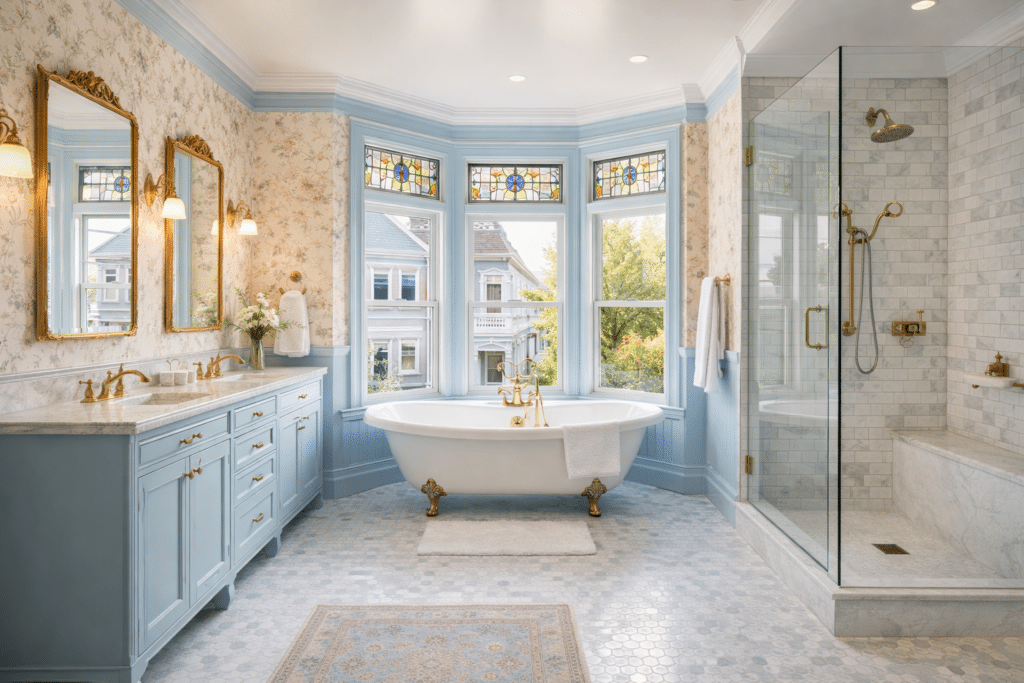
Historic neighborhoods like Hyde Park, Mount Lookout, Clifton, and Over-the-Rhine feature homes from the late 1800s and early 1900s. These properties often have small bathrooms, plaster walls, galvanized plumbing, and limited electrical capacity. Renovations may uncover lead paint, require plumbing replacement beyond the bathroom, and need creative solutions for space constraints. Our historic home bathroom remodeling guide addresses these unique challenges.
Mid-century suburbs in Anderson Township, Blue Ash, Western Hills, and similar areas typically feature larger bathrooms but may have original plumbing and electrical systems ready for updating. Pink and blue tile bathrooms from the 1950s-60s are common candidates for renovation.
Newer communities in West Chester, Mason, Liberty Township, and Florence generally present fewer hidden issues but often have builder-grade finishes ready for upgrading. These projects tend to proceed more predictably with fewer surprises.
For neighborhood-specific guidance, see our area guides for West Chester and Mason, Northern Kentucky, and Hamilton, Fairfield, and Butler County.
Climate Considerations
Cincinnati’s humid summers and cold winters affect material selection and installation practices. Proper ventilation becomes essential to combat moisture issues that lead to mold and mildew. Materials must handle significant temperature and humidity swings throughout the year. Quality waterproofing in showers is non-negotiable, as the region’s humidity levels make bathrooms particularly susceptible to moisture problems if not properly sealed.
Local Labor Market
The Cincinnati construction labor market remains tight, with skilled tradespeople in high demand. Quality tile setters, plumbers, and finish carpenters often book weeks or months in advance. This demand environment supports higher labor rates and makes thorough contractor vetting especially important. Plan ahead and avoid rushing contractor selection simply to start quickly.
Contractor Landscape
Greater Cincinnati offers diverse contractor options. Large design-build firms like Legacy Builders Group and Third Generation Restoration provide comprehensive services. National franchises including Re-Bath, Bath Fitter, and Five Star Bath Solutions offer streamlined approaches for specific project types. Numerous independent contractors and specialty bathroom remodelers serve the market at various price points. Research thoroughly regardless of which type of contractor you consider.
Return on Investment
Understanding potential return on investment helps inform budget decisions, particularly if you plan to sell within the next several years.
Expected ROI by Project Level
Mid-range bathroom remodels in the Cincinnati area typically return 54% to 70% of project costs at resale, according to the Cost vs. Value Report and National Association of Realtors research. A $25,000 renovation might add $13,500 to $17,500 to your home’s resale value.
Minor cosmetic updates often deliver higher percentage returns, sometimes exceeding 100% for strategic improvements that address obvious deficiencies. Zillow research indicates that homeowners can see $1.71 in value increase for every $1 spent on minor bathroom updates.
Luxury renovations generally return lower percentages, often 40% to 55%, though the absolute dollar amount recovered may be higher. High-end projects deliver personal enjoyment but may not maximize financial return.
Maximizing Your ROI
Match renovation level to neighborhood. A luxury master bathroom in a modest neighborhood may not return its cost. The same renovation in an upscale area likely will. Evaluate comparable homes in your area before setting your budget.
Focus on universal appeal. Neutral colors, quality materials, and timeless designs appeal to more buyers than trendy or highly personalized choices. Save bold statements for easily changeable elements.
Address functional issues first. Buyers pay premiums for bathrooms that work well. Adequate storage, good lighting, proper ventilation, and reliable fixtures matter more than decorative upgrades.
For comprehensive ROI analysis, see our dedicated bathroom remodel ROI guide.
Beyond Financial Returns
ROI calculations capture only resale value, not the daily enjoyment and comfort a renovated bathroom provides. If you plan to stay in your home for many years, personal satisfaction and improved quality of life justify investments that might not maximize financial returns. A bathroom you love using every day delivers value that transcends resale calculations.
Frequently Asked Questions
How much does bathroom remodeling cost in Cincinnati?
Bathroom remodeling in Cincinnati typically costs between $6,500 and $35,000 for most projects. Cosmetic updates run $3,000 to $7,000, mid-range remodels cost $15,000 to $35,000, and luxury master bathroom renovations can exceed $50,000 to $100,000 depending on scope and finishes. Costs vary based on bathroom size, material selections, scope of plumbing and electrical work, and contractor selection. See our detailed cost guide for complete pricing breakdowns.
How long does a bathroom remodel take in Cincinnati?
Most bathroom remodels in Cincinnati take 2 to 4 weeks for mid-range projects once construction begins. Simple cosmetic updates may take just 3 to 5 days, while complete gut renovations with layout changes can extend to 6 to 10 weeks or longer. Add 2 to 6 weeks for planning, contractor selection, and material ordering before construction starts. Factors affecting timeline include material lead times, permit requirements, contractor availability, and project complexity.
Do I need a permit for bathroom remodeling in Cincinnati?
In Cincinnati and Hamilton County, permits are required for bathroom work involving plumbing changes, electrical modifications, or structural alterations. Cosmetic updates like painting, new fixtures, or vanity replacement typically do not require permits. Permit costs range from $50 to $300 depending on project scope. Your contractor should handle permit applications as part of their service. See our permit guide for complete requirements.
What is the best time of year to remodel a bathroom in Cincinnati?
Late fall and winter (November through February) often offer the best contractor availability and potentially better pricing in Cincinnati. Spring and summer are peak remodeling season with longer lead times and higher demand. However, bathroom remodels can be completed year-round since the work is interior and not weather-dependent. Schedule based on your personal timeline while considering that peak season may require booking further in advance.
How do I find a reliable bathroom remodeling contractor in Cincinnati?
To find a reliable bathroom contractor in Cincinnati, start by getting at least three detailed bids from different contractors. Verify Ohio contractor licensing and insurance coverage. Check references from recent bathroom projects similar to yours. Review online ratings on Google, Houzz, and the Better Business Bureau. Confirm they pull proper permits under their license. Avoid contractors who request large upfront deposits or pressure you to sign immediately. See our contractor selection guide for detailed vetting steps.
Affiliate Disclosure: Some links in this article are affiliate links to Amazon. We may earn a small commission if you purchase through these links, at no extra cost to you. We only recommend products we believe provide genuine value. This revenue helps support our free educational content for homeowners. See our complete affiliate disclosure for more information.
📚 Related Articles
How Much Does a Bathroom Remodel Cost in Cincinnati?
Walk-In Shower Conversion in Cincinnati: Costs, Options & What to Know
How to Choose a Bathroom Contractor in Cincinnati: Vetting, Questions & Red Flags
Bathroom Remodel ROI in Cincinnati: What Return Can You Expect?

Author: Mike Warner
Mike Warner — Founder, Kore Komfort Solutions LLC U.S. Army veteran. 30 years in the trades — HVAC installation, kitchen and bathroom remodeling, and residential construction across Alaska, Washington, Colorado, Ohio, Kentucky, and Tennessee. I've pulled permits, managed crews, run service calls at midnight, and built a business from a single truck. Now I build the digital infrastructure that helps contractors compete and win. Kore Komfort Solutions exists for one reason: to give small and mid-size contractors ($2M–$10M) the same AI-powered tools, websites, and business systems that the big operations use — without the enterprise price tag or the learning curve. Through Kore Komfort Digital, we design and manage high-performance WordPress websites engineered to rank on Google and convert local searches into booked jobs. Through Rose — our AI-powered business management system currently in development — we're building the future of how contractors handle leads, scheduling, estimates, and customer communication. I write about what I know: the trades, the technology reshaping them, and how to build a contracting business that runs on systems instead of chaos. Every recommendation on this site comes from someone who's actually done the work — not a marketer who Googled it.